For schools & programs
The prerequisite your music program has been missing.
Students arrive at theory confused because they were handed steps before reasons. Before You Learn gives them the architecture of music first — so everything you teach afterward lands on a foundation instead of thin air.
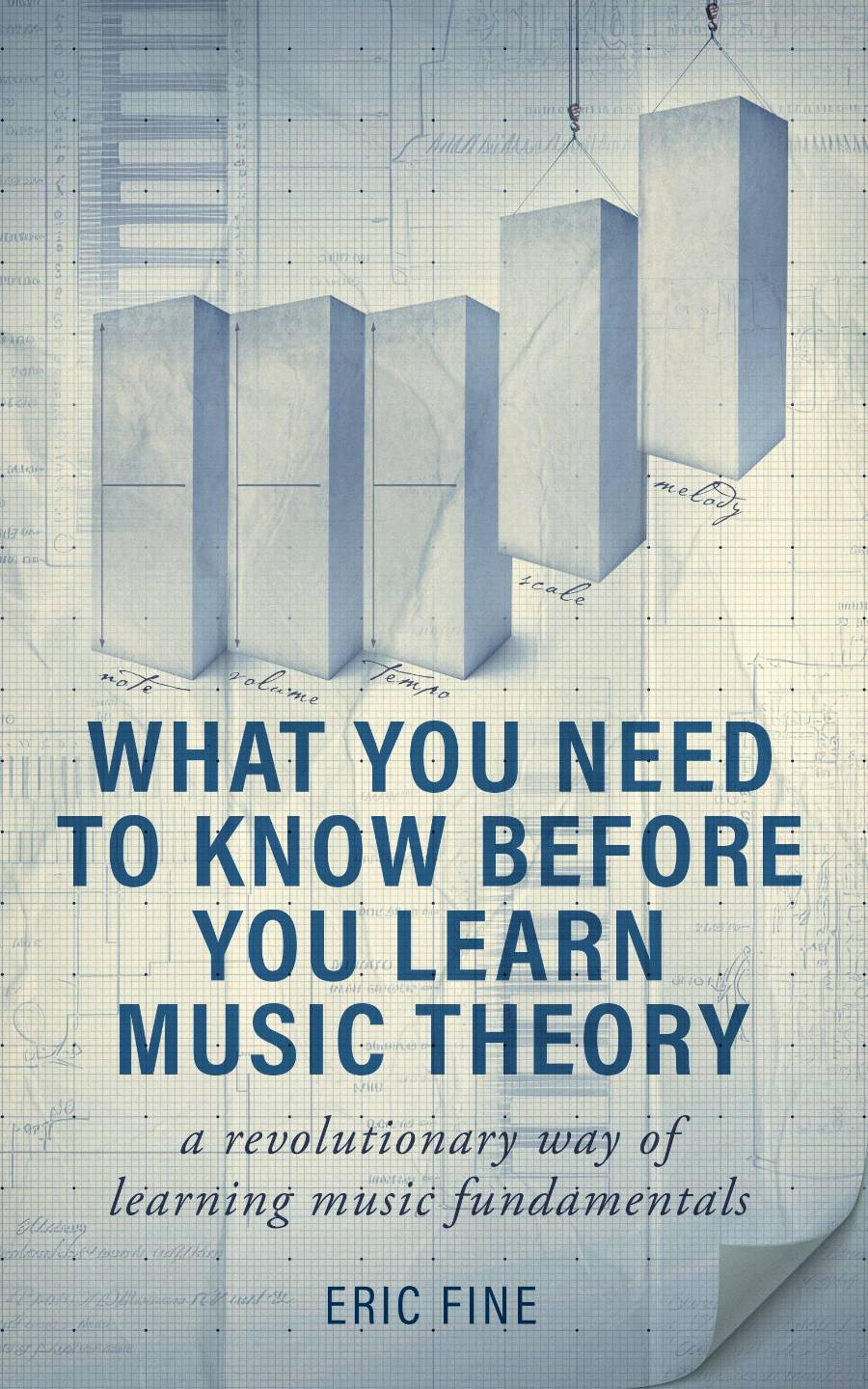
Before You Learn Music Theory
A New Foundation for Music Education
Most music theory courses begin with terms, rules, note names, and sheet music. Before You Learn starts somewhere else.
Before note names. Before sheet music. Before confusion. Students first learn the one concept that connects everything in music: the interplay of tension and release.
From this one concept, students see the big picture—the blueprint used to create all music—and how every term, topic, and musical element connects.
Instead of memorizing disconnected rules, students understand how music works and why it works. They begin creating music immediately, experiment with each new concept, and experience success from the start.
This approach simplifies the learning process by giving students the framework before asking them to learn the details.
How Schools Can Use It
1. Prerequisite to Music Theory
Give students the foundation before formal music theory or AP Music Theory, so they begin with the big picture already in place.
2. Supplemental Curriculum
Use it alongside your existing program to make difficult concepts easier to understand, connect topics, and fill gaps in students’ understanding.
3. Reframing Workshop
Use it with students who have already studied music to reorganize what they know, connect the missing pieces, and make concepts that never fully clicked finally make sense.
4. Teacher Professional Development
Eric is available to teach the course to your teachers, giving them firsthand experience with the method and a framework they can incorporate into their own instruction.
Eric has already been hired to train 30 public school music teachers in this approach.
Why It Fits Any Music Program
The course is taught on piano, but the underlying concepts apply to every instrument and every genre.
It can be used in general music, piano, band, orchestra, choral, and theory programs—without requiring schools to replace their existing curriculum.
One foundation. One connected framework. A clearer path into music.
The goal
Give students something most music programs don't give them first:
an understanding of how music works.
Once they understand the big picture, the details have somewhere to go.
From department heads & faculty
-
“Learning how sound and music work has been made painless.”
-
“This course makes musical concepts accessible and easy to understand. My kids are already using what they’ve learned to improvise and create.”
-
“After just four hours, I could explain why intervals and scales create different moods and emotions.”
-
“I could read music, but I had no idea how to simply sit down and play. This course changed that.”
-
“It’s simple, practical, and helped me explore musical elements I never consciously considered when composing.”
-
“A comprehensive and easy-to-follow introduction to music theory.”
-
“Everything finally clicked. The concepts were simple, my confidence grew, and I was soon playing piano and creating my own music.”
-
“Concise, clearly explained, and filled with exercises that make each concept easy to understand. An excellent course.”
-
“Instead of endless drills, I was creating music from the start. It made learning music exciting again.”
-
“Easy to understand and stress-free. I can’t believe how much I learned in such a short time.”
-
“An inspiring and easy-to-follow way to understand what lies beneath the music we hear.”
-
“An approachable and insightful introduction to music theory, even with no prior knowledge.”
-
“A unique approach that takes the frustration out of music theory and makes learning enjoyable.”
-
“Easy to read, easy to understand, and it helped me improve my piano skills. Highly recommended.”
-
“A completely different way to learn music—relatable, enjoyable, and easy to understand.”
-
“A great starting point for your music theory journey.”
-
“After wanting to learn music for more than 20 years, this course finally made it possible. Even at 58, I was able to learn, retain, and play music—and I loved every minute of it.”
-
“This turned music theory on its head for me. Concepts that once confused me finally made sense—and it made me excited to learn more.”
Where endorsing educators teach
Vetted by people who hold the standard.
Higher education
Mannes College of Music · Conservatori Superior de Música del Liceu · NYU Steinhardt · LIU Post · Hofstra · Molloy · St. Francis · St. John's · Nassau, Queens & Queensborough Colleges
K-12 districts
Great Neck · North Shore · New Hanover County · Locust Valley · Middle Country
Community & enrichment
TJamaica YMCA · YMCA of the North · Nassau BOCES · Usdan Summer Camp for the Arts · Sea Cliff Arts Council
Special & accessible education
Including advisors to the Berklee Institute for Accessible Arts Education and MEANYC
Affiliations are listed for identification purposes only and do not imply institutional endorsement.
The equity piece
Built to reach the students budgets leave behind.
A portion of every consumer purchase funds course access for students and schools facing budget cuts. If your program has lost funding, talk to us — bringing the course to underserved students is part of the mission, not an afterthought.
Live demonstrations available: Eric regularly presents the method with a student in front of educator audiences — the format that has won over department heads, arts councils, and district leadership.
See it the way your students will.
Request a walkthrough of the full curriculum, ask about professional development for your staff, or arrange a live demonstration at your site. Program pricing is tailored to your district or organization.
Request a walkthrough